
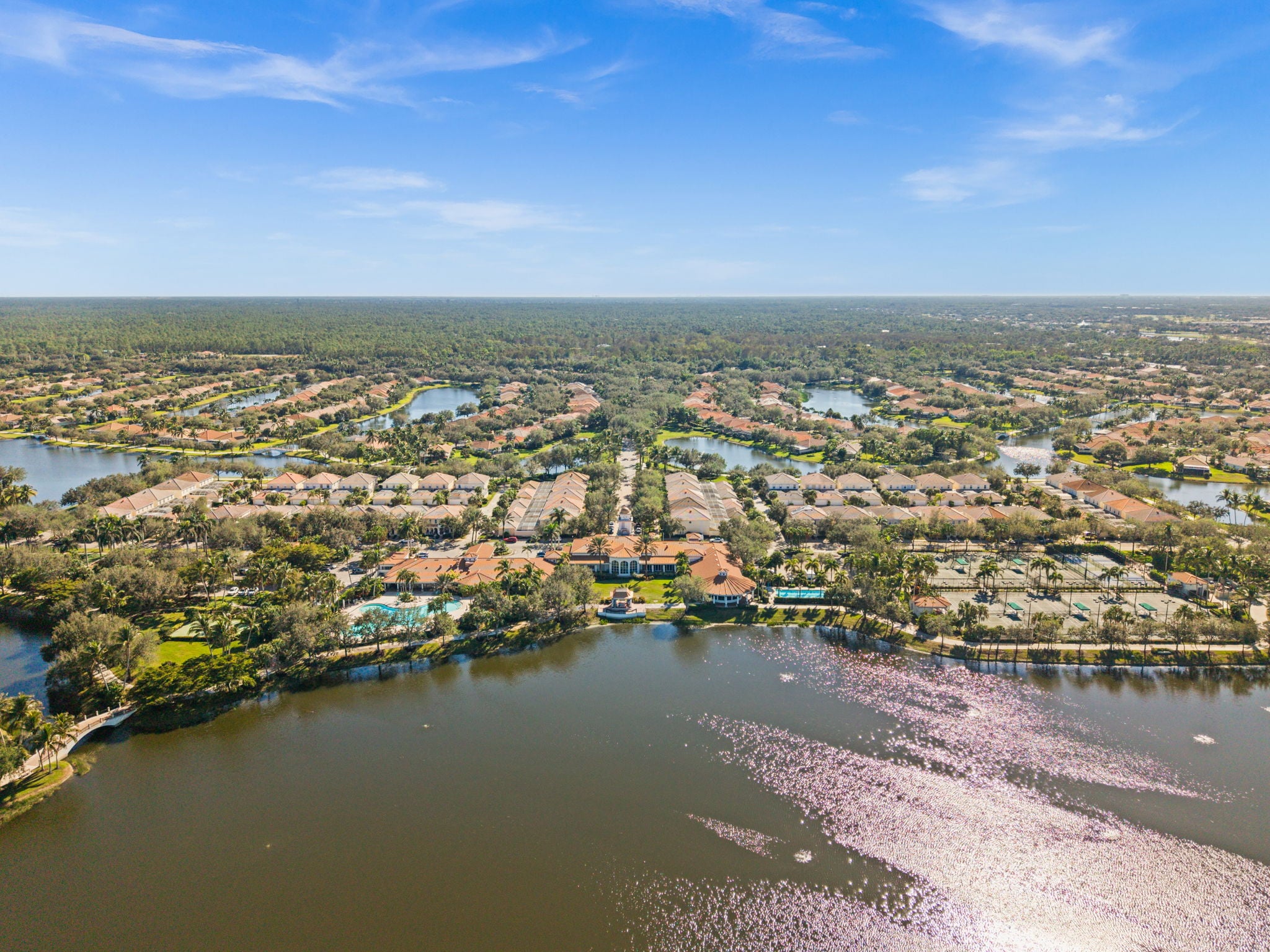
Naples buyers can make better decisions when flood-zone, elevation, and insurance questions are organized before an offer is written. The goal is not to turn a buyer into an insurance expert. The goal is to know which documents to request, which questions to ask, and which property-specific answers should be clarified early.
A flood-zone label is only one part of the picture. In Southwest Florida, buyers should also look at elevation information, prior flood disclosures, roof and wind-mitigation details, association records, permit history, and insurance guidance from a qualified professional.
Why this matters before the offer
Flood and insurance questions can affect monthly cost, financing comfort, closing timelines, inspection strategy, and long-term ownership plans. Waiting until the last few days of a transaction can create avoidable stress, especially if a buyer still needs an insurance quote, association documents, or a clearer explanation of elevation records.
For Naples homes, condos, and villas, the smarter move is to build a short document packet before comparing properties too closely. That packet helps buyers compare similar homes with more context than list price, square footage, and neighborhood name alone.
1. Start with the current flood-map context
Buyers should identify the property’s current flood-map information and understand whether the property is in a higher-risk flood area, a lower-risk area, or a location where mapping changed over time. Collier County notes that its 2024 coastal flood map became effective on February 8, 2024, and provides local flood-map and elevation-certificate search resources.
This does not replace professional insurance advice, but it gives buyers a better starting point. Ask which map panel applies, whether the property sits in a Special Flood Hazard Area, whether there have been recent map changes, and whether any Letter of Map Change documents apply.
2. Ask whether an elevation certificate is available
FloodSmart explains that an elevation certificate shows how high a building is compared with expected local floodwaters and includes information such as location, building characteristics, and First Floor Height. FloodSmart also notes that elevation information can help insurers assess flood risk.
Not every property will have an elevation certificate readily available. If one exists, buyers should ask for it early. If it does not, an insurance professional or local floodplain resource can help explain whether one is useful for the specific property, policy, or due-diligence question.
3. Confirm flood-insurance assumptions early
Florida’s residential flood-disclosure statute states that homeowners’ insurance policies do not include coverage for damage resulting from floods and encourages buyers to discuss separate flood-insurance coverage with their insurance agent. That is a practical warning for Naples buyers: do not assume standard homeowners coverage answers the flood question.
Before moving too far into a purchase, buyers should ask an insurance professional for property-specific guidance. The quote conversation should include flood coverage, homeowners coverage, wind or hurricane-related considerations, deductibles, roof age, openings, claims history when available, and whether any documentation could affect pricing or eligibility.
4. Look at roof, wind, and opening documentation
For many Southwest Florida homes, insurance questions are not limited to flood. Roof age, roof covering, permits, wind-mitigation features, shutters, impact-rated openings, secondary water resistance, and prior storm repairs may all become part of the discussion.
Before writing an offer, buyers can ask whether the seller has roof permits, roof invoices, wind-mitigation inspection reports, four-point inspection information if applicable, shutter or impact-window documentation, and any repair records that support the insurance conversation.
5. For condos and HOAs, add association documents
When the property is a condo, villa, or HOA home, the individual home is only one part of the due-diligence picture. Buyers may also need association budgets, insurance summaries, reserve information, maintenance responsibilities, flood or storm-repair history, rental rules, pet rules, parking rules, and architectural guidelines.
The key question is simple: what is covered by the association, what is the owner responsible for separately, and what documents does the buyer’s lender or insurer need before closing?
6. Check permit history and past work
Permit history can help buyers understand prior roof work, additions, storm repairs, window or door replacements, pool work, mechanical updates, and open-permit concerns. It is not a substitute for inspections, but it can help buyers ask better questions before the contract timeline gets tight.
If a home has visible updates, storm-related repairs, enclosed areas, elevated living space, or major system changes, buyers should ask whether permits and completion records line up with what they are seeing in person.
A practical pre-offer checklist
- Current flood-zone and map-panel information
- Elevation certificate, if one is available or useful for the property
- Property-specific flood-insurance and homeowners-insurance guidance
- Roof age, roof permits, invoices, and repair records
- Wind-mitigation or opening-protection documentation when available
- Prior flood disclosure, claims, or assistance information required by Florida law
- Association insurance, budget, reserve, rental, pet, parking, and maintenance documents
- Permit history for roof, windows, doors, additions, storm repairs, pool, and major systems
- Inspection strategy and deadlines that give enough time to evaluate the documents
How Naples buyers should use the packet
The point of the packet is not to make every property feel risky. It is to make the comparison clearer. One home may have a lower list price but more insurance uncertainty. Another may have stronger documentation, a newer roof, a clearer association package, or elevation information that makes the ownership picture easier to understand.
Before making an offer on a Naples home, condo, or villa, schedule a Naples real estate consultation with Frank Procopio to organize the property questions, document requests, and timing before the contract clock starts.